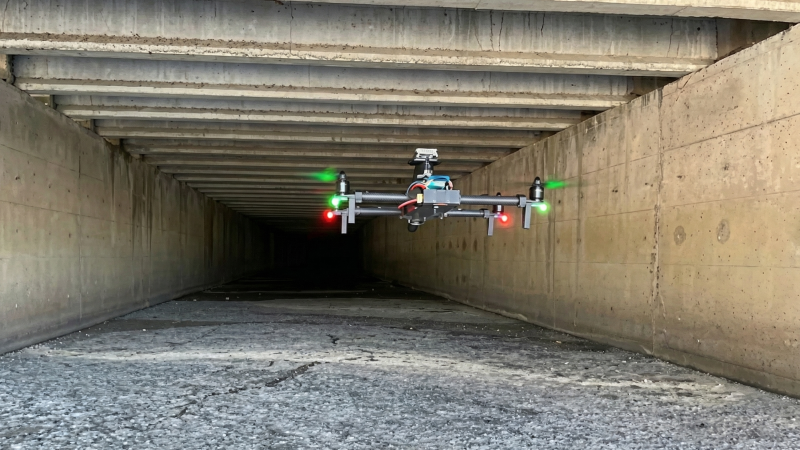
At Sacyr Water, we have a new system trained with artificial intelligence to detect damage in its collector networks.
"We believe that AI can achieve very low error rate functionality by training a model that learns from common defects detected by the human eye, such as cracks, fissures, and blockages in the sewerage network.
This Machine Learning model helps us reduce the error rate in detecting these common defects. Additionally, Artificial Intelligence has been implemented to interpret text and generate final reports", explains Miguel Cebrián, head of digital transformation at Sacyr Water.
VIDIA is an asset intelligence platform developed by Sacyr for critical sanitation infrastructure management.
This system transforms the traditional network inspection process into an automated, data-driven workflow. It doesn't just identify damage; it classifies it according to standardized typologies.
VIDIA utilizes generative artificial intelligence, advanced analytics, and integrated visualization, converting raw data into strategic information for decision-making. It is a tool that unifies everything: people, processes, and technology, providing a 360º view of the service.

"First, camera footage is captured, which can be done via a drone or a robot within the sewage network. Then, this video is fed into our VIDIA system which, thanks to ML technologies, identifies images, and with Generative AI, analyzes texts and automatically generates reports," states Miguel Cebrián.
Furthermore, VIDIA is integrated with the GIS system. This means all alerts are georeferenced on a city map, allowing for the prioritization of actions in strategic or sensitive areas.
This machine learning model, trained with generative AI, has been jointly developed by Sacyr Water's technical department and the company's IT department.
VIDIA differs from all similar systems in the water sector because it automates the entire workflow. It not only identifies damage but also contextualizes it: classifying it according to standardized typologies and precisely geolocating it within the collector.
VIDIA is positioned as a key tool to anticipate incidents, reduce operational costs, and ensure service continuity.
"Digital transformation in sewage network management is no longer an option, but a necessity. This tool transforms a traditionally slow and costly process into an automated, intelligent, and results-oriented workflow", concludes Cebrián.