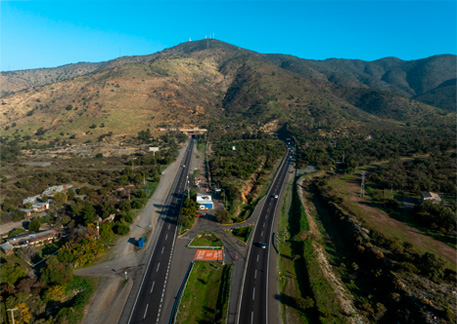
Sacyr is joining “Waze for Cities,” a program that links the highways it manages to Waze’s crowdsourced navigation platform, helping to deliver safer, more efficient and more sustainable mobility.
The initiative combines information from highway control centers with real-time data generated by the Waze community of drivers. All data received is 100% aggregated and anonymous and contains no personal or identifying information.
The aim is to create more connected, smarter corridors that can anticipate incidents, improve the experience of road users and strengthen safety for drivers and the professionals who work on the road.
The program is built on a two-way exchange of information between Sacyr and Waze. Waze users will receive real-time alerts about maintenance work, incidents and temporary traffic restrictions, as well as severe weather and other conditions that may affect traffic.
Greater safety
For Sacyr, one of the main benefits of taking part in “Waze for Cities” is improved safety for the professionals who work every day operating and maintaining its infrastructure.
Advance notice of roadworks, maintenance operations or incidents allows drivers to be alerted before they reach those points, encouraging more cautious driving and reducing risks for the crews working on site.
In addition, information shared by Waze users (100% aggregated and anonymous data, with no personal or identifying information) will help Sacyr’s control centers spot incidents faster and deploy the necessary resources more quickly to deal with situations such as broken-down vehicles, obstacles on the road, accidents or any other event that could affect safety and traffic flow.
Better traffic management will also help cut travel times, reduce congestion and lower the emissions it generates, reinforcing both companies’ commitment to more sustainable mobility.
Driving smart mobility
The move reinforces Sacyr’s commitment to digitalization and innovation in infrastructure management.
It also reflects the shared view of Sacyr and Waze that integrating physical infrastructure with digital intelligence is key to building roads that are safer, more efficient and ready for the mobility challenges of the future.